UI / UX Design
How an extra fraud prevention step in the credit card checkout reduced chargeback costs by 91.94%
Last updated:
August 2024
Industry:
Real Estate
Client:
Yogha
Project duration:
4 semanas

Figure 1: Screenshot from the 2023 STRIPE report showing disputes related to purchases made by credit card through the website.
How did we drastically reduce fraud with a faster and more accessible approach?
In October 2023, we improved the checkout flow for credit card purchases by adding a step to validate the legitimacy of the card. This change not only solved the issue of fraud involving cloned cards, but also delivered fast and surprisingly effective results.
My role
As a Product Designer in a team composed of two developers, a Product Manager, and the CEO, I was responsible for understanding the problem in collaboration with all team members.
I worked closely with the development team to explore and define viable, high-impact solutions, which were applied directly to the product. I also led the iteration and validation of the solution with end users, ensuring that the problem was effectively solved.
How might we reduce the losses caused by improper disputes on credit card purchases?
In 2023, I was working as a Product Designer at Yogha, a proptech specialized in managing short- and mid-term rental properties. Our focus was to reduce costs and increase revenue through our booking website.
During a meeting with the CEO and Product Manager about new initiatives, we were informed of a chronic problem: 99% of disputes related to bookings made by credit card were caused by fraud, and this number had been growing throughout the year, generating losses that were passed on to the property owners listed on the platform. Given this scenario, I suggested running a sprint to investigate the problem in depth and look for effective solutions.
The fact that any malicious person could use a credit card and then dispute the purchase to get the money back made solving this problem extremely urgent. Addressing it could prevent the situation from getting worse and save thousands of reais annually.
In 2023, I was working as a Product Designer at Yogha, a proptech specialized in managing short- and mid-term rental properties. Our focus was to reduce costs and increase revenue through our booking website.
During a meeting with the CEO and Product Manager about new initiatives, we were informed of a chronic problem: 99% of disputes related to bookings made by credit card were caused by fraud, and this number had been growing throughout the year, generating losses that were passed on to the property owners listed on the platform. Given this scenario, I suggested running a sprint to investigate the problem in depth and look for effective solutions.
The fact that any malicious person could use a credit card and then dispute the purchase to get the money back made solving this problem extremely urgent. Addressing it could prevent the situation from getting worse and save thousands of reais annually.
Stakeholder interviews
By interviewing people responsible for finance, customer support, and development, I aimed to clarify:
What was the financial impact of fraud and how was it measured, so we could evaluate the results of our actions.
How fraud happened in the company, in order to identify critical points and where we could intervene.
How the company handled this type of fraud, to understand whether any previous attempts had been made to solve it.
Key findings
Financial impact
According to the 2023 annual report, fraud-related credit card disputes represented 2.48% of annual revenue, a concerning figure, even though it was below the acceptable market loss average of up to 3%.
No preventive measures
The company did not use security measures or tools to detect fraud, and had never faced this challenge before. This gave us the opportunity to explore different solutions.
How did we measure it?
The most relevant metric we would use to measure any change was the number of disputes and the amount lost in disputes.
Customer journey
I created a customer journey that served as a foundation to understand and communicate to the team how the fraud happened. This journey became the starting point for discussing possible solutions, allowing us to identify where we could intervene and evaluate whether the proposed solutions would effectively solve the problem.

Figure 2: Customer journey illustrating the fraud process.
Brainstorming
I opened space for the development and product team, together with me, to discuss alternative solutions. I presented the journey, the problem, and its impact, considering the impact, cost, feasibility, and implementation time of each alternative.

Figure 3: Brainstorming result with the prioritized solution.
Restrictions and trade-offs
By unanimous vote, we decided that the most viable and effective option would be to implement an anti-fraud system.
However, while evaluating an anti-fraud system, we realized that, in addition to its high cost, it did not offer complete protection against fraud, which could allow the problem to persist.
Given these limitations and the urgent need for a solution, we chose a more cost-effective and quickly implementable approach, capable of solving the immediate problem effectively within the project’s time and budget constraints.
Hypothesis
We believed that if we included a step to verify the legitimacy of the credit card in the registration flow, it would reduce fraud, since users using cloned cards usually do not have access to the electronic statements and therefore would not have access to the amount charged on the statement. Only the legitimate card owner would have that information.
We would know whether our approach was effective when we observed a reduction in purchase disputes.
Solution
To develop the solution, I created high-fidelity wireframes in Figma, using the existing Design System.
The implemented solution included an additional step in the card registration flow, focused on validating the cardholder.
In this flow, we added a new step with two interactions: after the user filled in the address and moved to the next step, we made a temporary charge between R$ 5 and R$ 10, which would be refunded afterward.
The user had to enter the exact amount charged to confirm the legitimacy of the card.
Throughout the process, we kept users informed and guided through each step, ensuring they understood the reason for the validation.
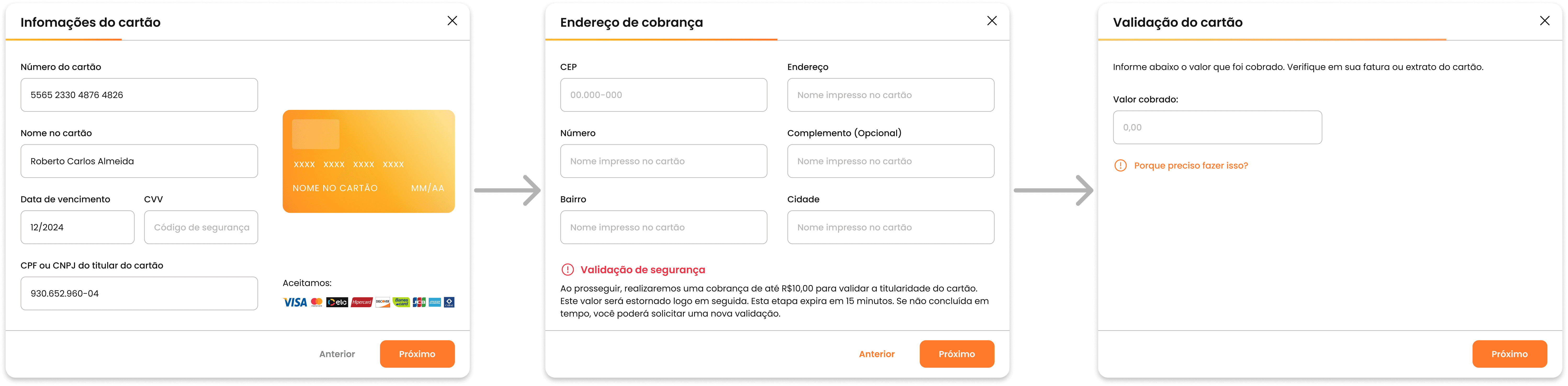
Figure 4: Credit card registration flow with the new step included.
Expectation: We expected this solution not only to reduce our problem, but also to prevent inconvenience for people whose cards had been cloned and used improperly in our system.
Interaction
After implementation, we periodically monitored data from Google Analytics and Hotjar to track user behavior on these screens, observing whether users were able to complete the flow without difficulties or whether they faced any friction.
Results
91.94% reduction in losses from credit card disputes
0% fraud disputes
There were no significant changes in revenue or sales losses in the following months.
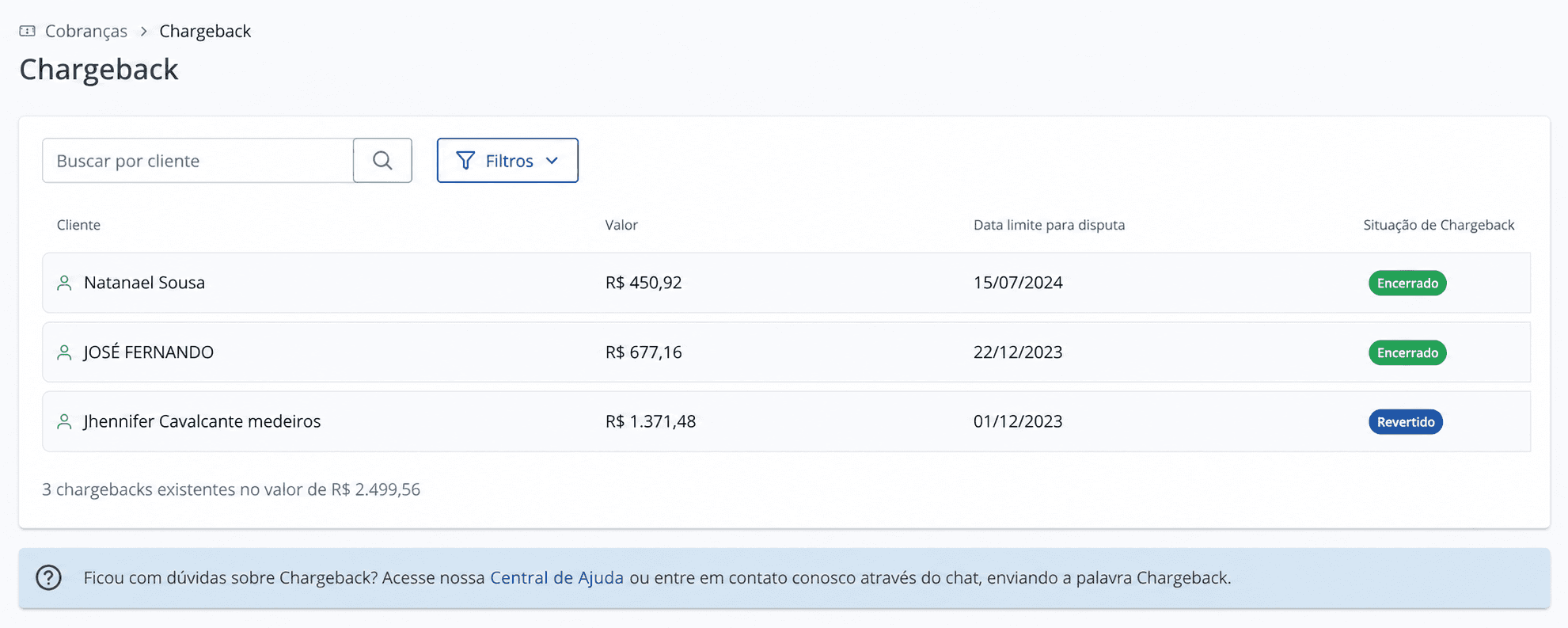
Figure 5: Screenshot from the 2023 and 2024 AsaaS report showing disputes related to purchases made through the website.
The last disputed charge occurred in December 2023, indicating that fraud had been effectively mitigated.
Learnings and next steps
We chose not to buy an expensive anti-fraud tool and instead added a single verification step. It eliminated fraud entirely. The most targeted intervention is often better than the most comprehensive one
As next steps, we will continue monitoring the effectiveness of the validation, evaluate new security technologies, and collect feedback for continuous improvements.
Thank you!

UI / UX Design
How an extra fraud prevention step in the credit card checkout reduced chargeback costs by 91.94%
Last updated:
August 2024
Industry:
Real Estate
Client:
Yogha
Project duration:
4 semanas
Figure 1: Screenshot from the 2023 STRIPE report showing disputes related to purchases made by credit card through the website.
How did we drastically reduce fraud with a faster and more accessible approach?
In October 2023, we improved the checkout flow for credit card purchases by adding a step to validate the legitimacy of the card. This change not only solved the issue of fraud involving cloned cards, but also delivered fast and surprisingly effective results.
My role
As a Product Designer in a team composed of two developers, a Product Manager, and the CEO, I was responsible for understanding the problem in collaboration with all team members.
I worked closely with the development team to explore and define viable, high-impact solutions, which were applied directly to the product. I also led the iteration and validation of the solution with end users, ensuring that the problem was effectively solved.
How might we reduce the losses caused by improper disputes on credit card purchases?
In 2023, I was working as a Product Designer at Yogha, a proptech specialized in managing short- and mid-term rental properties. Our focus was to reduce costs and increase revenue through our booking website.
During a meeting with the CEO and Product Manager about new initiatives, we were informed of a chronic problem: 99% of disputes related to bookings made by credit card were caused by fraud, and this number had been growing throughout the year, generating losses that were passed on to the property owners listed on the platform. Given this scenario, I suggested running a sprint to investigate the problem in depth and look for effective solutions.
The fact that any malicious person could use a credit card and then dispute the purchase to get the money back made solving this problem extremely urgent. Addressing it could prevent the situation from getting worse and save thousands of reais annually.
In 2023, I was working as a Product Designer at Yogha, a proptech specialized in managing short- and mid-term rental properties. Our focus was to reduce costs and increase revenue through our booking website.
During a meeting with the CEO and Product Manager about new initiatives, we were informed of a chronic problem: 99% of disputes related to bookings made by credit card were caused by fraud, and this number had been growing throughout the year, generating losses that were passed on to the property owners listed on the platform. Given this scenario, I suggested running a sprint to investigate the problem in depth and look for effective solutions.
The fact that any malicious person could use a credit card and then dispute the purchase to get the money back made solving this problem extremely urgent. Addressing it could prevent the situation from getting worse and save thousands of reais annually.
Stakeholder interviews
By interviewing people responsible for finance, customer support, and development, I aimed to clarify:
What was the financial impact of fraud and how was it measured, so we could evaluate the results of our actions.
How fraud happened in the company, in order to identify critical points and where we could intervene.
How the company handled this type of fraud, to understand whether any previous attempts had been made to solve it.
Key findings
Financial impact
According to the 2023 annual report, fraud-related credit card disputes represented 2.48% of annual revenue, a concerning figure, even though it was below the acceptable market loss average of up to 3%.
No preventive measures
The company did not use security measures or tools to detect fraud, and had never faced this challenge before. This gave us the opportunity to explore different solutions.
How did we measure it?
The most relevant metric we would use to measure any change was the number of disputes and the amount lost in disputes.
Customer journey
I created a customer journey that served as a foundation to understand and communicate to the team how the fraud happened. This journey became the starting point for discussing possible solutions, allowing us to identify where we could intervene and evaluate whether the proposed solutions would effectively solve the problem.
Figure 2: Customer journey illustrating the fraud process.
Brainstorming
I opened space for the development and product team, together with me, to discuss alternative solutions. I presented the journey, the problem, and its impact, considering the impact, cost, feasibility, and implementation time of each alternative.
Figure 3: Brainstorming result with the prioritized solution.
Restrictions and trade-offs
By unanimous vote, we decided that the most viable and effective option would be to implement an anti-fraud system.
However, while evaluating an anti-fraud system, we realized that, in addition to its high cost, it did not offer complete protection against fraud, which could allow the problem to persist.
Given these limitations and the urgent need for a solution, we chose a more cost-effective and quickly implementable approach, capable of solving the immediate problem effectively within the project’s time and budget constraints.
Hypothesis
We believed that if we included a step to verify the legitimacy of the credit card in the registration flow, it would reduce fraud, since users using cloned cards usually do not have access to the electronic statements and therefore would not have access to the amount charged on the statement. Only the legitimate card owner would have that information.
We would know whether our approach was effective when we observed a reduction in purchase disputes.
Solution
To develop the solution, I created high-fidelity wireframes in Figma, using the existing Design System.
The implemented solution included an additional step in the card registration flow, focused on validating the cardholder.
In this flow, we added a new step with two interactions: after the user filled in the address and moved to the next step, we made a temporary charge between R$ 5 and R$ 10, which would be refunded afterward.
The user had to enter the exact amount charged to confirm the legitimacy of the card.
Throughout the process, we kept users informed and guided through each step, ensuring they understood the reason for the validation.
Figure 4: Credit card registration flow with the new step included.
Expectation: We expected this solution not only to reduce our problem, but also to prevent inconvenience for people whose cards had been cloned and used improperly in our system.
Interaction
After implementation, we periodically monitored data from Google Analytics and Hotjar to track user behavior on these screens, observing whether users were able to complete the flow without difficulties or whether they faced any friction.
Results
91.94% reduction in losses from credit card disputes
0% fraud disputes
There were no significant changes in revenue or sales losses in the following months.
Figure 5: Screenshot from the 2023 and 2024 AsaaS report showing disputes related to purchases made through the website.
The last disputed charge occurred in December 2023, indicating that fraud had been effectively mitigated.
Learnings and next steps
We chose not to buy an expensive anti-fraud tool and instead added a single verification step. It eliminated fraud entirely. The most targeted intervention is often better than the most comprehensive one
As next steps, we will continue monitoring the effectiveness of the validation, evaluate new security technologies, and collect feedback for continuous improvements.
Thank you!
UI / UX Design
How an extra fraud prevention step in the credit card checkout reduced chargeback costs by 91.94%
Last updated:
August 2024
Industry:
Real Estate
Client:
Yogha
Project duration:
4 semanas
Figure 1: Screenshot from the 2023 STRIPE report showing disputes related to purchases made by credit card through the website.
How did we drastically reduce fraud with a faster and more accessible approach?
In October 2023, we improved the checkout flow for credit card purchases by adding a step to validate the legitimacy of the card. This change not only solved the issue of fraud involving cloned cards, but also delivered fast and surprisingly effective results.
My role
As a Product Designer in a team composed of two developers, a Product Manager, and the CEO, I was responsible for understanding the problem in collaboration with all team members.
I worked closely with the development team to explore and define viable, high-impact solutions, which were applied directly to the product. I also led the iteration and validation of the solution with end users, ensuring that the problem was effectively solved.
How might we reduce the losses caused by improper disputes on credit card purchases?
In 2023, I was working as a Product Designer at Yogha, a proptech specialized in managing short- and mid-term rental properties. Our focus was to reduce costs and increase revenue through our booking website.
During a meeting with the CEO and Product Manager about new initiatives, we were informed of a chronic problem: 99% of disputes related to bookings made by credit card were caused by fraud, and this number had been growing throughout the year, generating losses that were passed on to the property owners listed on the platform. Given this scenario, I suggested running a sprint to investigate the problem in depth and look for effective solutions.
The fact that any malicious person could use a credit card and then dispute the purchase to get the money back made solving this problem extremely urgent. Addressing it could prevent the situation from getting worse and save thousands of reais annually.
In 2023, I was working as a Product Designer at Yogha, a proptech specialized in managing short- and mid-term rental properties. Our focus was to reduce costs and increase revenue through our booking website.
During a meeting with the CEO and Product Manager about new initiatives, we were informed of a chronic problem: 99% of disputes related to bookings made by credit card were caused by fraud, and this number had been growing throughout the year, generating losses that were passed on to the property owners listed on the platform. Given this scenario, I suggested running a sprint to investigate the problem in depth and look for effective solutions.
The fact that any malicious person could use a credit card and then dispute the purchase to get the money back made solving this problem extremely urgent. Addressing it could prevent the situation from getting worse and save thousands of reais annually.
Stakeholder interviews
By interviewing people responsible for finance, customer support, and development, I aimed to clarify:
What was the financial impact of fraud and how was it measured, so we could evaluate the results of our actions.
How fraud happened in the company, in order to identify critical points and where we could intervene.
How the company handled this type of fraud, to understand whether any previous attempts had been made to solve it.
Key findings
Financial impact
According to the 2023 annual report, fraud-related credit card disputes represented 2.48% of annual revenue, a concerning figure, even though it was below the acceptable market loss average of up to 3%.
No preventive measures
The company did not use security measures or tools to detect fraud, and had never faced this challenge before. This gave us the opportunity to explore different solutions.
How did we measure it?
The most relevant metric we would use to measure any change was the number of disputes and the amount lost in disputes.
Customer journey
I created a customer journey that served as a foundation to understand and communicate to the team how the fraud happened. This journey became the starting point for discussing possible solutions, allowing us to identify where we could intervene and evaluate whether the proposed solutions would effectively solve the problem.
Figure 2: Customer journey illustrating the fraud process.
Brainstorming
I opened space for the development and product team, together with me, to discuss alternative solutions. I presented the journey, the problem, and its impact, considering the impact, cost, feasibility, and implementation time of each alternative.
Figure 3: Brainstorming result with the prioritized solution.
Restrictions and trade-offs
By unanimous vote, we decided that the most viable and effective option would be to implement an anti-fraud system.
However, while evaluating an anti-fraud system, we realized that, in addition to its high cost, it did not offer complete protection against fraud, which could allow the problem to persist.
Given these limitations and the urgent need for a solution, we chose a more cost-effective and quickly implementable approach, capable of solving the immediate problem effectively within the project’s time and budget constraints.
Hypothesis
We believed that if we included a step to verify the legitimacy of the credit card in the registration flow, it would reduce fraud, since users using cloned cards usually do not have access to the electronic statements and therefore would not have access to the amount charged on the statement. Only the legitimate card owner would have that information.
We would know whether our approach was effective when we observed a reduction in purchase disputes.
Solution
To develop the solution, I created high-fidelity wireframes in Figma, using the existing Design System.
The implemented solution included an additional step in the card registration flow, focused on validating the cardholder.
In this flow, we added a new step with two interactions: after the user filled in the address and moved to the next step, we made a temporary charge between R$ 5 and R$ 10, which would be refunded afterward.
The user had to enter the exact amount charged to confirm the legitimacy of the card.
Throughout the process, we kept users informed and guided through each step, ensuring they understood the reason for the validation.
Figure 4: Credit card registration flow with the new step included.
Expectation: We expected this solution not only to reduce our problem, but also to prevent inconvenience for people whose cards had been cloned and used improperly in our system.
Interaction
After implementation, we periodically monitored data from Google Analytics and Hotjar to track user behavior on these screens, observing whether users were able to complete the flow without difficulties or whether they faced any friction.
Results
91.94% reduction in losses from credit card disputes
0% fraud disputes
There were no significant changes in revenue or sales losses in the following months.
Figure 5: Screenshot from the 2023 and 2024 AsaaS report showing disputes related to purchases made through the website.
The last disputed charge occurred in December 2023, indicating that fraud had been effectively mitigated.
Learnings and next steps
We chose not to buy an expensive anti-fraud tool and instead added a single verification step. It eliminated fraud entirely. The most targeted intervention is often better than the most comprehensive one
As next steps, we will continue monitoring the effectiveness of the validation, evaluate new security technologies, and collect feedback for continuous improvements.